
Spring/Summer Overseeding Service
Bare spots, thinning grass, and tired turf don’t fix themselves. Spring and summer overseeding is one of the most effective ways to thicken your lawn, improve color, and crowd out weeds. In this guide, we’ll walk through when overseeding makes sense, how it pairs with core aeration, and what Macomb County homeowners can expect when they hire JC Lawnscaping LLC for professional overseeding.
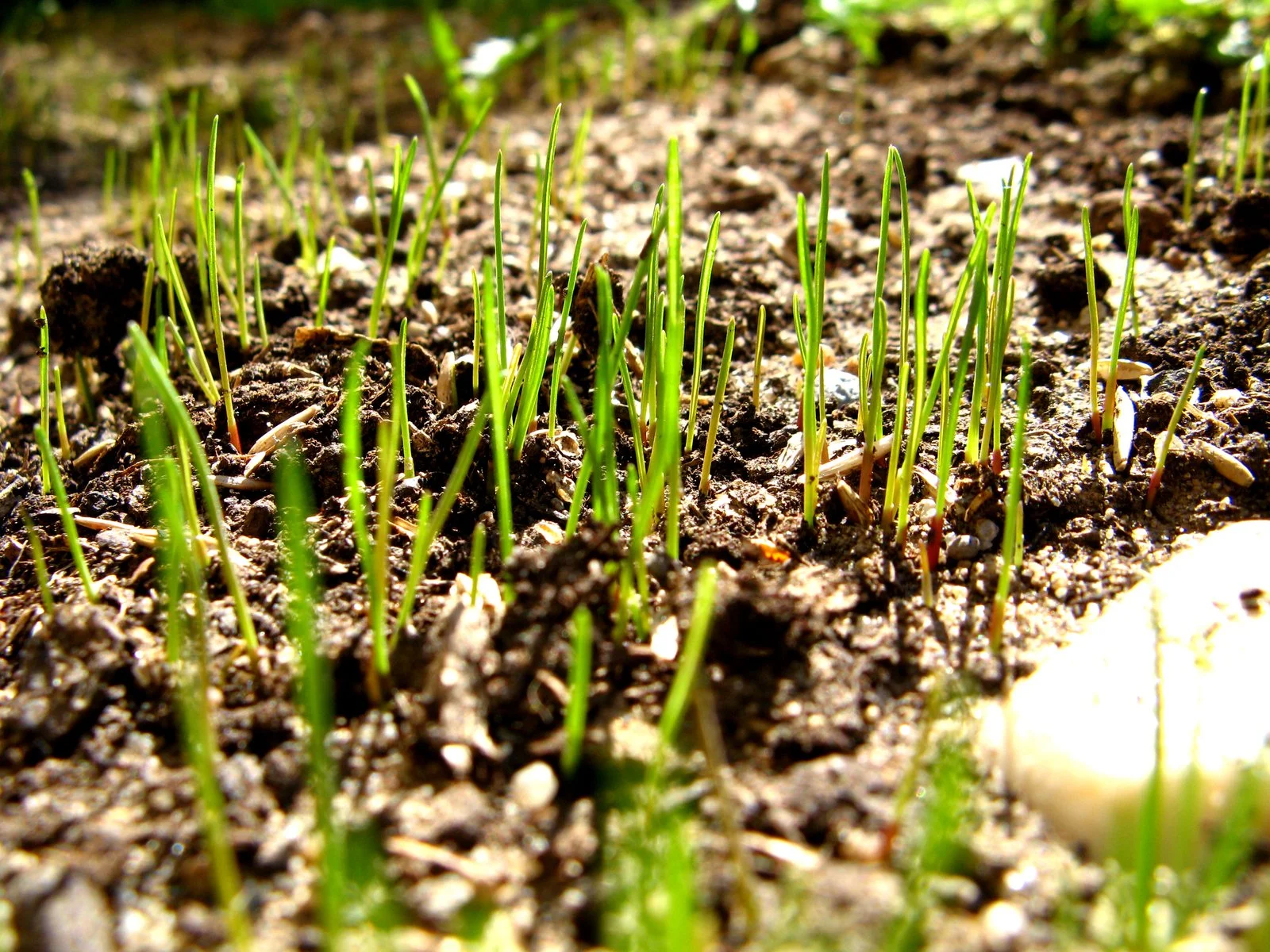
What is overseeding and why does it matter?
Overseeding is the process of spreading new grass seed into an existing lawn without tearing everything out and starting over. It’s one of the best ways to:
- Thicken thin or patchy lawns
- Fill in bare spots created by pets, foot traffic, or winter damage
- Introduce newer, more durable grass varieties into older turf
- Improve overall color and density so weeds have less room to invade
For Macomb Township, Chesterfield, New Baltimore, Sterling Heights, Utica, and other Macomb County lawns, overseeding is often the missing step between “okay” grass and a lawn that really stands out.
Best time to overseed in Macomb County
Timing matters. In our area, cool-season grasses respond best to overseeding during specific windows:
- Spring: Good for repairing winter damage and bare spots, especially when combined with core aeration.
- Early summer: Useful when you’ve had heavy traffic or recent project work, as long as irrigation is available to keep seed moist.
- Early fall (not covered in this service window, but key for planning): Often the best overall time to overseed because soil is warm, air is cooler, and weed pressure is lower.
When you request an estimate, we’ll look at your current turf conditions, shade patterns, and irrigation setup to recommend whether spring, summer, or fall overseeding will give you the best results on your specific property.
Why overseeding and aeration work better together
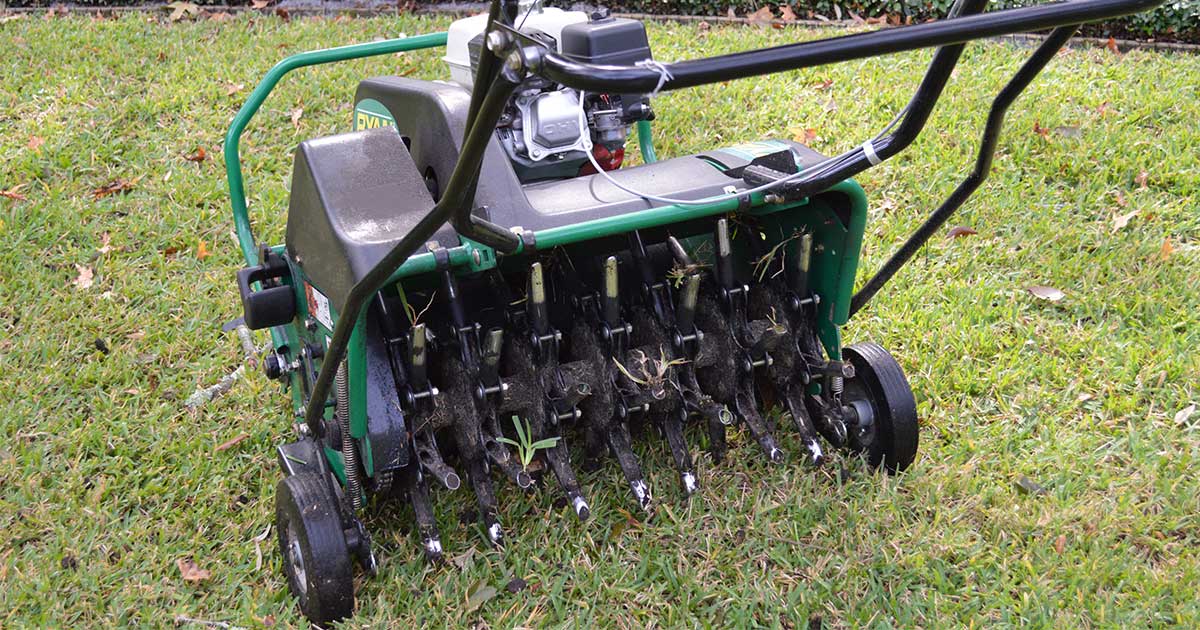
Overseeding is powerful on its own, but it’s even more effective when paired with core aeration. Aeration pulls plugs from the soil, creating small openings where seed and nutrients can reach the root zone more easily.
Benefits of combining aeration and overseeding
- Seed falls into aeration holes, where moisture and soil contact are improved
- Reduced compaction helps roots grow deeper and stay healthier
- Fertilizer, water, and oxygen reach the root zone more efficiently
- New seedlings establish faster and blend into existing turf more smoothly
Overseeding is usually more budget-friendly than a full lawn replacement. In many cases, pairing aeration and overseeding can deliver a big improvement without the cost and disruption of new sod. During your quote, we’ll be honest about whether overseeding is enough or if certain areas are better off being re-sodded.
What to expect from our Spring/Summer Overseeding Service
Every lawn is a little different, but most overseeding visits include a few key steps to prepare the soil, apply seed, and set things up for success.
1. Site evaluation and plan
We’ll walk your property to identify:
- Thin or bare areas that need extra seed and attention
- Compacted sections that would benefit from aeration
- Shaded spots vs. full sun areas for seed variety selection
- Any irrigation coverage issues that could affect germination
2. Mowing and cleanup before seeding
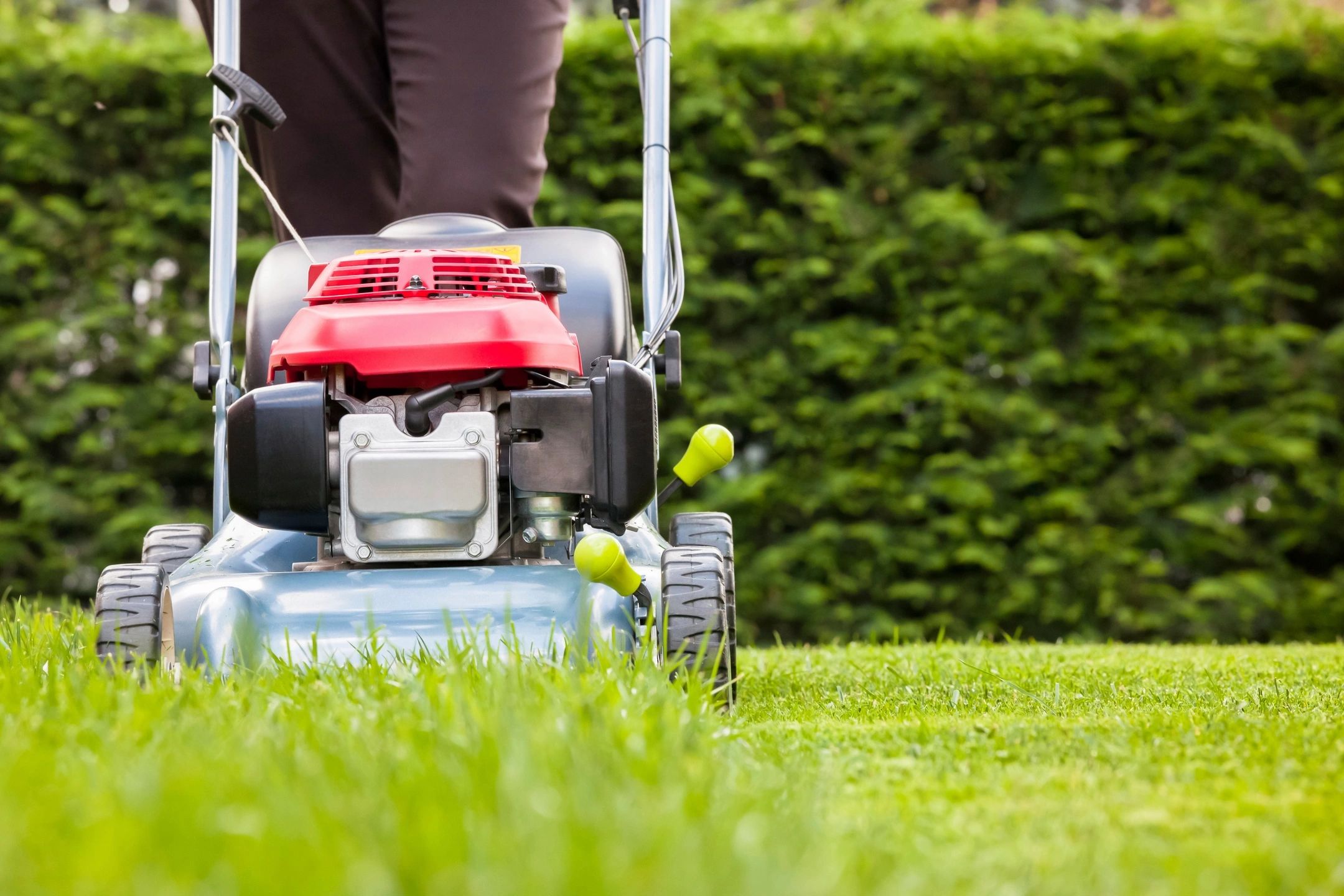
Before seeding, we typically recommend mowing the lawn shorter than usual (without scalping) and clearing away excess debris. Paired with your regular lawn mowing schedule, this helps new seedlings receive enough sunlight and reduces competition from existing grass.
3. Aeration (when included)
If your overseeding plan includes core aeration, we’ll run our aerator over the lawn to pull plugs from the soil. This step:
- Relieves soil compaction
- Creates pockets where seed can settle and germinate
- Improves the impact of fertilizers and soil amendments
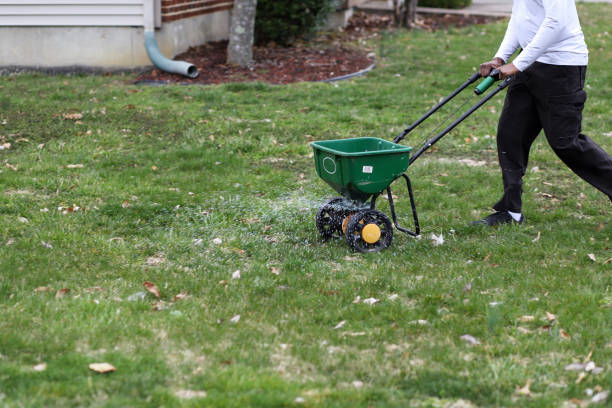
4. Seed application and starter fertilizer
We apply quality grass seed appropriate for Macomb County lawns, taking sun/shade conditions into account. In many cases, we also recommend a starter fertilizer to:
- Support early root development
- Encourage even, consistent germination
- Help new seedlings establish quickly alongside existing turf
5. Watering instructions and follow-up
Overseeding success depends heavily on watering. If you have an irrigation system, we may suggest minor schedule adjustments to keep the top layer of soil consistently moist. If you water by hose, we’ll give you a simple schedule to follow.
For ongoing care, we often recommend pairing overseeding with irrigation repair & maintenance when needed, along with routine mowing and seasonal spring/fall cleanups.
Overseeding after damage, projects, or heavy use
Overseeding isn’t just for older lawns. It can also be the best way to repair areas that have taken a beating over the past season.
Common reasons to overseed in spring and summer
- Pet wear and tear in certain parts of the yard
- Traffic from kids, guests, or backyard gatherings
- Damage from snow piles, plow blades, or de-icing products
- Recent landscape, patio, or irrigation projects that disturbed turf
Instead of waiting for grass to fill in on its own (which often leads to weeds moving in first), overseeding helps you take control and re-establish thick turf faster.
Where we provide overseeding services
JC Lawnscaping LLC offers overseeding and lawn care services throughout much of Macomb County. We focus on areas where we can provide reliable, consistent visits and long-term support for your lawn.
To see how overseeding fits into your broader lawn plan, you can also check our Lawn Care Near Me in Macomb County guide or visit our Services page.
More resources for a thicker, healthier lawn
Overseeding is one piece of the puzzle. These articles walk through aeration, mowing, and seasonal care that help your lawn stay thick and healthy after new seed is down.
Overseeding questions we hear most
Not sure how often to overseed, what watering looks like, or how soon you can mow? Start with these FAQs, then reach out for a plan tailored to your lawn.
Most Macomb County lawns benefit from overseeding every 1–3 years, depending on traffic, shade, and overall turf health. Lawns with heavy use, pet damage, or older grass varieties may benefit from more frequent overseeding, especially when combined with core aeration. During your estimate, we’ll recommend a schedule based on what we see in your yard.
You don’t have to aerate, but overseeding works best when soil compaction is relieved and seed can make good contact with the soil. Combining core aeration and overseeding often leads to better germination, deeper roots, and a more noticeable improvement compared to overseeding alone.
With proper watering and soil temperatures, you’ll typically see germination within 7–21 days. It may take several weeks to a few months for new grass to fully blend with your existing lawn. The timeline depends on weather, watering, and whether overseeding was paired with aeration and fertilization.
As a general rule, wait until new grass has reached mowing height and is well rooted before resuming normal mowing. Many lawns can be mowed carefully after 2–3 weeks, but this can vary with growth rate and weather. We’ll give you specific guidance for your lawn based on the time of year and the services performed.
JC Lawnscaping LLC provides overseeding and related lawn care services in many Macomb County communities, including Macomb Township, Chesterfield, New Baltimore, Sterling Heights, Utica, Clinton Township, Center Line, Warren, Roseville, Eastpointe, Saint Clair Shores, Harrison Township, Fraser, and Mount Clemens.
To confirm availability, check our Services page, visit your Lawn Care Near Me guide, or contact us with your address.