
Spring/Summer Overseeding Service
Thin, tired lawns don’t always need to be torn out and replaced. Overseeding — spreading new grass seed into your existing turf — can fill in bare patches, improve density, and bring back that thick, green look. In this guide, we’ll walk through how spring and summer overseeding works in Macomb County, when it makes sense, and how it pairs with aeration, mowing, and watering for long-term results.
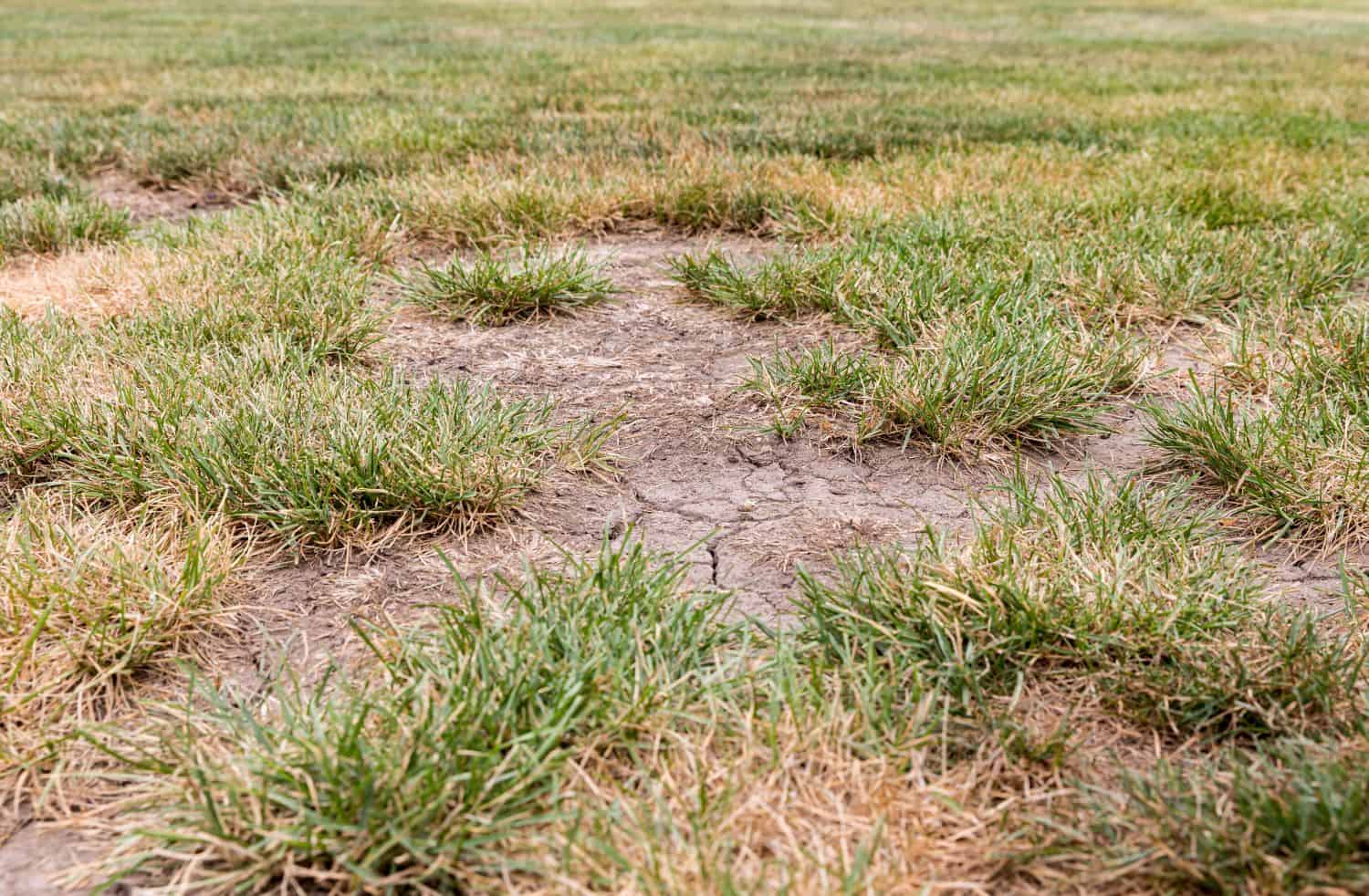
What is overseeding and why does your lawn need it?
Overseeding is the process of spreading new grass seed across an existing lawn to thicken it up. Instead of starting from bare dirt, we work with the turf you already have and fill in the thin areas. It’s a great option when your lawn is:
- Thin or patchy from foot traffic, pets, or drought
- Struggling in certain areas but not completely dead
- Full of mixed grasses and you want a more uniform look
- Starting to show more weeds than grass in spots
Overseeding is especially effective when it’s paired with core aeration, consistent lawn mowing, and proper watering. Together, these services give new seedlings the best shot at germinating and filling in those weak areas.
Best time for overseeding in Macomb County (spring vs. summer vs. fall)
In Michigan, fall is often considered the “ideal” time to overseed cool-season grasses. But that doesn’t mean you have to wait if your yard is struggling now. Spring and early summer overseeding can still be very effective with the right approach and follow-through.
Spring overseeding
Spring overseeding works well if you:
- Had winter damage, snow mold, or plow damage
- Notice thin spots as the lawn greens up
- Plan to pair it with spring cleanup and a regular mowing schedule
The main considerations are soil temperature and moisture. The seed needs warm enough soil to germinate and consistent watering while roots get established.
Early summer overseeding
Early summer overseeding can help address:
- Damage from spring play, pets, or heavy traffic
- Thin sections that didn’t fill in after spring growth
- Areas that dried out quickly during early heat waves
Because temperatures are warmer, watering becomes even more important. We’ll talk through a realistic watering plan with you so you know what it will take to help new grass survive the summer.
If your lawn is in rough shape, a combination of spring/summer overseeding and a follow-up fall overseeding can make a huge difference. Fall gives new grass a long, cool stretch to develop roots before next summer’s heat.
Signs your lawn is a good candidate for overseeding
Not every lawn needs a full tear-out. Overseeding is a smart choice when there’s still a decent amount of healthy turf to work with. You may be a good candidate if you see:
- Small bare patches scattered around the yard
- Grass that looks thin or “see-through” when you look down at the soil
- High-traffic paths where the lawn is worn but not completely dirt
- Weedy areas after a tough summer or wet spring
When we visit for an estimate, we’ll walk the yard and let you know if Seed & Over-seed services are the best option or if certain sections would do better with sod or more extensive repair.
How overseeding works with aeration, mowing, and watering
Overseeding isn’t just about spreading seed and walking away. The prep and follow-up work are what turn seed into a thicker lawn.
Core aeration + overseeding
Combining overseeding with core aeration is one of the most effective ways to improve a stressed lawn. Aeration:
- Relieves soil compaction so roots can grow deeper
- Creates pockets where seed and soil make better contact
- Helps water, air, and nutrients reach the root zone
When we overseed after aerating, new seed can settle into those cores and thin areas more easily, giving you a better germination rate.
Mowing after overseeding
Mowing strategy matters after overseeding. In general, that means:
- Keeping the mower blades sharp so they don’t tear fragile new grass
- Not mowing too short — taller grass protects new seedlings and shades the soil
- Staying off very thin or newly seeded patches until the grass can handle traffic
Many homeowners pair overseeding with our lawn mowing service so we can adjust mowing heights and timing as the lawn fills in.
Watering for new seed
Watering is the biggest factor in whether overseeding pays off. While every yard is a little different, new seed typically needs:
- Light, frequent watering to keep the surface damp (not flooded) while seed germinates
- Gradual shift to deeper, less frequent watering as the grass matures
- Attention to slopes and low spots so seed doesn’t wash away
We’ll give you simple, written watering guidelines based on your yard and schedule so you know what to expect before we start.
What to expect from JC Lawnscaping’s overseeding service
Our overseeding visits are designed to be straightforward and realistic. You’ll know what we’re doing, why we’re doing it, and what you can do to help the lawn respond.
- Walk-through and assessment: We look at thin areas, shade, traffic patterns, and any existing disease or weed issues.
- Service plan: We’ll recommend overseeding alone, or overseeding combined with core aeration, spring cleanup, or other services as needed.
- Seed selection: We use grass types suited to Macomb County that are chosen for density, color, and durability.
- Application: Seed is spread evenly over target areas, with extra focus on thin and bare spots.
- Care instructions: You’ll get simple mowing and watering guidelines so you’re not guessing after we leave.
Where we provide spring & summer overseeding services
JC Lawnscaping LLC provides overseeding and related lawn services throughout Macomb County, focusing on neighborhoods where we can maintain reliable schedules and quality.
Not sure if you’re in our service area? Visit our Services page or contact us with your address and we’ll let you know what overseeding and lawn services are available for your property.
More resources for a thicker, healthier lawn
Overseeding is just one part of building a strong lawn. These articles walk through mowing, spring services, and common problems so you can get more out of your yard this season.
Top 5 Lawn Problems in Chesterfield, MI and How to Fix Them
Read article →
Spring Into Action: Essential Lawn & Landscape Services for a Beautiful Yard
Read article →
Overseeding questions we hear most
Not sure when to overseed, how long it takes to see results, or whether you need aeration too? Start with these common questions, then reach out for advice tailored to your lawn.
In Macomb County, fall is usually the “ideal” time to overseed because soil is warm, air temperatures are cooler, and weed pressure is lower. That said, many lawns benefit from spring or early summer overseeding too — especially after winter damage or a tough spring. We’ll look at your lawn and goals, then recommend the best timing and whether a follow-up fall overseeding makes sense.
Most grass seed starts germinating within 7–21 days, depending on soil temperature and moisture. You may notice early improvement within a few weeks, but full thickening can take a couple of months as new grass matures and fills in. Consistent watering and proper mowing are key to seeing the best results from your overseeding visit.
You don’t always have to aerate, but combining overseeding with core aeration almost always improves the outcome. Aeration reduces compaction and creates channels where seed, water, and nutrients can reach the root zone more easily. During your estimate, we’ll let you know whether your lawn would benefit from adding aeration to the plan.
Overseeding alone won’t eliminate all weeds, but a thicker, healthier lawn naturally leaves less room for weeds to take hold. In many cases, we recommend a combination of overseeding, proper mowing, and other lawn care practices. If weed pressure is heavy, we’ll discuss realistic options and timing so overseeding and weed control don’t work against each other.
JC Lawnscaping LLC provides overseeding and lawn maintenance in many Macomb County communities, including Macomb Township, Chesterfield, New Baltimore, Sterling Heights, Utica, Clinton Township, Center Line, Warren, Roseville, Eastpointe, Saint Clair Shores, Harrison Township, Fraser, and Mount Clemens.
To confirm availability for your address, check our Services page, visit your local city page, or contact us and we’ll let you know what options are available.