
The Importance of Proper Irrigation for Your Lawn and Garden
Healthy lawns and gardens don’t happen by accident. In Macomb County, our hot summers, occasional dry spells, and heavy storms make it easy to swing between underwatered and oversaturated turf. A well-designed irrigation plan helps your grass, trees, and plants get the right amount of water at the right time — without wasting water or creating soggy trouble spots. In this guide, you’ll learn how proper irrigation supports a thicker, greener lawn and happier plants across your property.
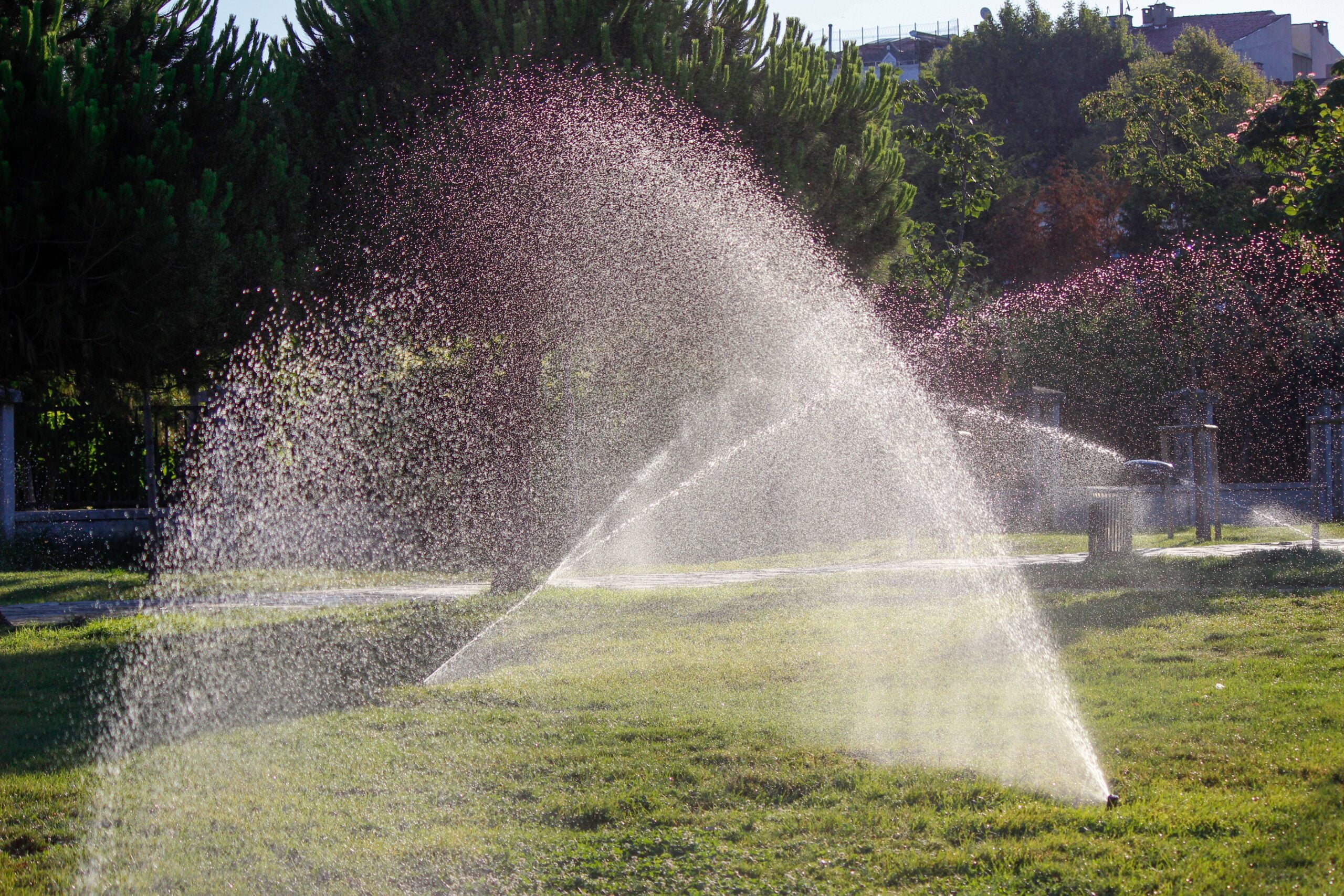
Why proper irrigation matters for your lawn and garden
Water is one of the most important inputs for your lawn and landscape — but more is not always better. Too little water leads to thin, stressed turf and struggling plants. Too much water invites disease, shallow roots, and bare spots.
- Healthy root systems: Deep, consistent watering encourages deeper roots that handle heat and dry spells better.
- Thicker, greener turf: Proper irrigation supports dense grass that competes with weeds.
- Stronger plants: Trees, shrubs, and perennials respond with better growth and color.
- Less disease: Avoiding constantly wet soil and foliage reduces common lawn diseases.
- Water savings: Efficient systems avoid runoff and wasted water — especially important with rising costs.
JC Lawnscaping LLC helps homeowners across Macomb Township, Chesterfield, New Baltimore, Sterling Heights, Utica, and surrounding communities identify dry spots, adjust watering schedules, and repair irrigation systems so their lawns and gardens stay consistently healthy.
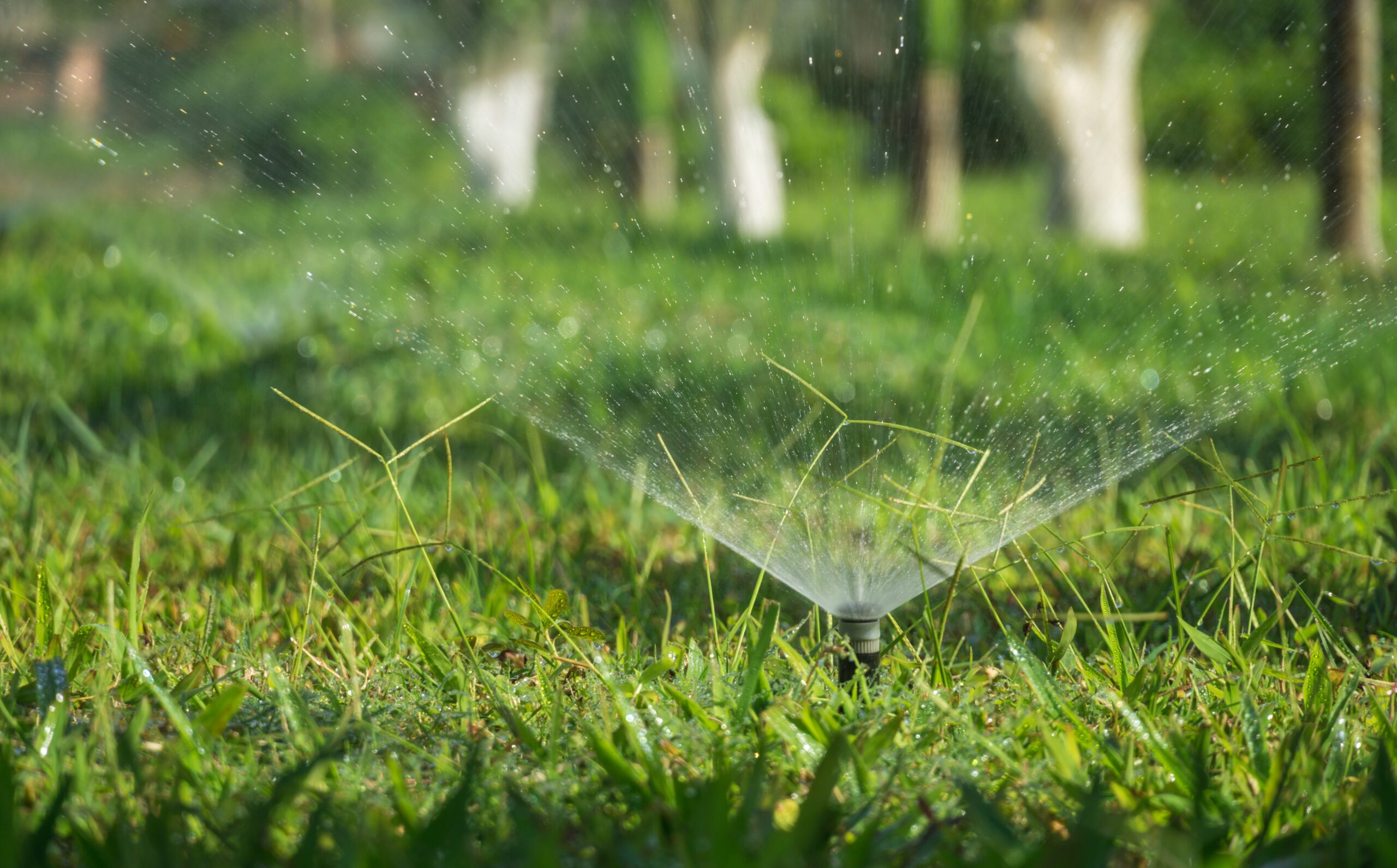

Properly adjusted irrigation systems deliver even coverage across lawns and gardens, helping prevent dry spots and overwatered areas.
Signs your lawn and garden aren’t getting the right amount of water
You don’t need to be an expert to tell when something is off with your watering. Watch for these common signs that your irrigation needs attention:
- Dry, crunchy patches even when other areas look fine
- Grass that footprints stay visible in after you walk on it
- Yellowing or wilting plants despite regular watering
- Mushrooms or standing water in low spots after irrigation runs
- Sprinklers hitting sidewalks, driveways, or the side of your house more than the grass
- Overspray on windows or constant water on your foundation planting beds
If you recognize a few of these, your system may need adjustments, repairs, or a tune-up to match your yard’s current layout, sun patterns, and plant needs.
Deep, infrequent watering vs. frequent, shallow watering
One of the biggest mistakes homeowners make is watering lightly every day instead of watering more deeply a few times per week.
Why deep watering is better for your lawn
Deep watering encourages grass roots to grow down into the soil instead of staying near the surface. That means:
- Better drought tolerance during hot, dry stretches
- Less stress from day-to-day temperature swings
- Thicker turf that resists weeds and compaction
How often should you water?
The right schedule depends on your soil type, sun exposure, and recent weather, but a general guideline for Macomb County is:
- Water deeply 2–3 times per week in hot, dry weather
- Adjust down during cooler, rainier periods
- Water early in the morning to reduce evaporation and disease risk
We can help you fine-tune your watering schedule based on your specific lawn and the services you pair with irrigation, such as proper mowing height and bed maintenance.
Key components of an efficient irrigation system
Even if you water at the right times, your system has to be set up correctly to deliver consistent, efficient coverage. Some key pieces include:
Sprinkler heads and nozzles
Different areas of your yard may need different types of heads and nozzles:
- Rotary heads for larger open areas of lawn
- Fixed spray heads for smaller or irregular spaces
- Drip lines for shrub beds, gardens, and foundation plantings
Over time, heads can shift, sink, or become clogged. During an irrigation inspection, we check for proper height, direction, and coverage so water is going where it’s supposed to.
Zones and coverage
A good irrigation layout divides your property into zones with similar sun exposure and plant needs. Shady areas, sunny front lawns, and flower beds should rarely be on the exact same schedule. Adjusting zone run times helps:
- Prevent overwatering in shaded areas
- Give extra support to hot, south-facing lawns
- Dial in water needs for gardens and beds vs. turf
Controllers and smart watering
Older controllers often run the same schedule regardless of weather. Upgrading to a smarter controller or simply updating your programming each season can:
- Reduce watering after heavy rain events
- Adjust for heat waves or cooler snaps
- Prevent irrigation from running during freezing conditions
How irrigation impacts your landscape beds and plants
Irrigation isn’t just about grass. Many issues in landscape beds — like yellowing shrubs, mildew, and bare soil — can be traced back to how and where water is applied.
Protecting plant roots
Overhead watering that constantly soaks foliage can encourage disease, especially in dense shrubs and perennials. Drip irrigation or properly adjusted spray patterns help:
- Deliver water directly to the root zone
- Reduce the amount of time leaves stay wet
- Support stronger, more resilient plant growth
Working with mulch and bed maintenance
Mulch and proper bed care are powerful partners for irrigation. Together, they:
- Help the soil hold moisture longer between watering cycles
- Reduce weeds competing for water and nutrients
- Keep soil temperatures more stable during extreme heat and cold
If you’re refreshing beds with mulch installation, mulch and stone accents, or bed renovations, it’s a great time to review how irrigation is set up around those areas.
Proper irrigation pairs well with consistent lawn mowing, seasonal spring & fall cleanups, and smart bed maintenance to keep your yard looking good from curb to back fence.
Seasonal irrigation adjustments in Macomb County
Michigan’s seasons make “set it and forget it” irrigation a bad idea. Your system should change with the weather:
- Spring: Turn on the system, check for leaks, adjust heads, and set a conservative schedule as turf wakes up.
- Summer: Increase run times during hot, dry stretches and monitor for dry spots or stress.
- Fall: Gradually reduce watering as growth slows, then shut down and winterize before freezing temps.
During an irrigation visit, we can help you dial in your seasonal settings so your system supports your lawn care instead of working against it.
Where we provide irrigation services
JC Lawnscaping LLC offers irrigation inspections, basic adjustments, and related lawn services throughout Macomb County, focusing on neighborhoods where we can maintain reliable schedules and responsive service.
Not sure if you’re in our service area? Visit our Services page or contact us with your address, and we’ll let you know what irrigation and lawn services are available for your property.
More resources for a healthier lawn and landscape
Irrigation is just one part of a strong lawn and landscape plan. These articles walk through mowing, spring services, and bed care that work hand-in-hand with proper watering.

Spring Into Action: Essential Lawn & Landscape Services for a Beautiful Yard
Read article →

Irrigation questions we hear most
Not sure how long to run your sprinklers, whether you’re overwatering, or if you need an inspection? Start with these common questions, then reach out for help tailored to your yard.
In hot, dry weather, most lawns do best with deep watering 2–3 times per week rather than light watering every day. That usually means applying about 1–1.5 inches of water per week from rain and irrigation combined. Shadier or cooler areas may need less. We can help you fine-tune a schedule based on your soil, sun exposure, and lawn condition.
Signs of overwatering include mushrooms, consistently soggy soil, yellowing grass that feels soft and spongy, and plants that wilt even though the soil is wet. You may also see moss or algae in heavily shaded areas. If you notice these symptoms, your irrigation schedule or coverage likely needs adjustment.
Yes. We can inspect your system, adjust sprinkler heads, identify coverage issues, and make basic repairs so your lawn and beds get more even, efficient watering. If you’re not sure what’s wrong, we’ll start with a walkthrough while the system is running and explain what we see.
Early morning is usually best — typically between 4 a.m. and 10 a.m. Watering during this window reduces evaporation loss and gives grass blades time to dry out during the day, which helps reduce disease. Watering late in the evening can leave turf damp overnight and increase the risk of fungus in some conditions.
JC Lawnscaping LLC provides irrigation inspections and related lawn services in many Macomb County communities, including Macomb Township, Chesterfield, New Baltimore, Sterling Heights, Utica, Clinton Township, Center Line, Warren, Roseville, Eastpointe, Saint Clair Shores, Harrison Township, Fraser, and Mount Clemens.
To confirm availability for your address, check our Services page, visit your local city page, or contact us and we’ll let you know what options are available.